 Hoffman Soft Water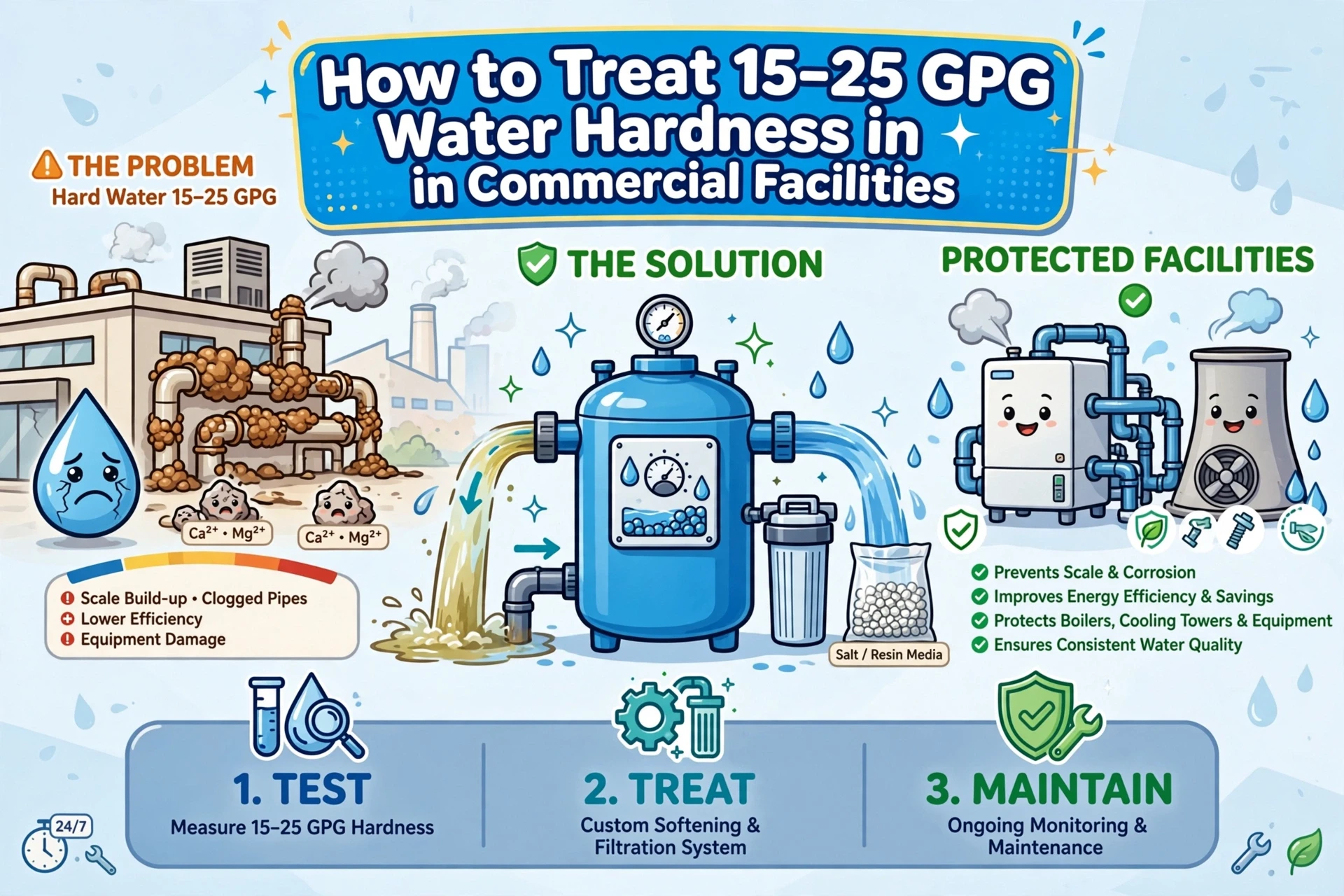
Quick Summary: For commercial facilities facing 15-25 gpg hardness, the fix starts with a lab test, then mapping where heat and water flow create scale risk, and finally matching treatment to each use. Sodium softening is the workhorse for most boilers, cooling towers, and process lines, while RO or deionization is only needed for pharma or electronics. Commissioning and ongoing monitoring are critical, since Ohio's water shifts seasonally and untreated hardness can raise fuel use by 2% with just 1/32 inch of scale. Hoffman Soft Water engineers these systems and offers testing and 24/7 support for Ohio's toughest facilities.
A boiler or cooling system fed 15-25 gpg hardness is handling 257-428 mg/L of calcium carbonate. That's enough to coat heat exchangers, choke sterilizers, and drive up energy bills within months. Ohio facilities face some of the hardest water in the country. This guide walks through 15–25 gpg water treatment step by step: measuring your actual hardness, mapping where scale hits your process, choosing the right softening system, and setting up the testing and controls that keep it working. Hoffman Soft Water has engineered these systems for Ohio's toughest facilities for years.
Step 1: Confirm the Hardness and Define the Treatment Target
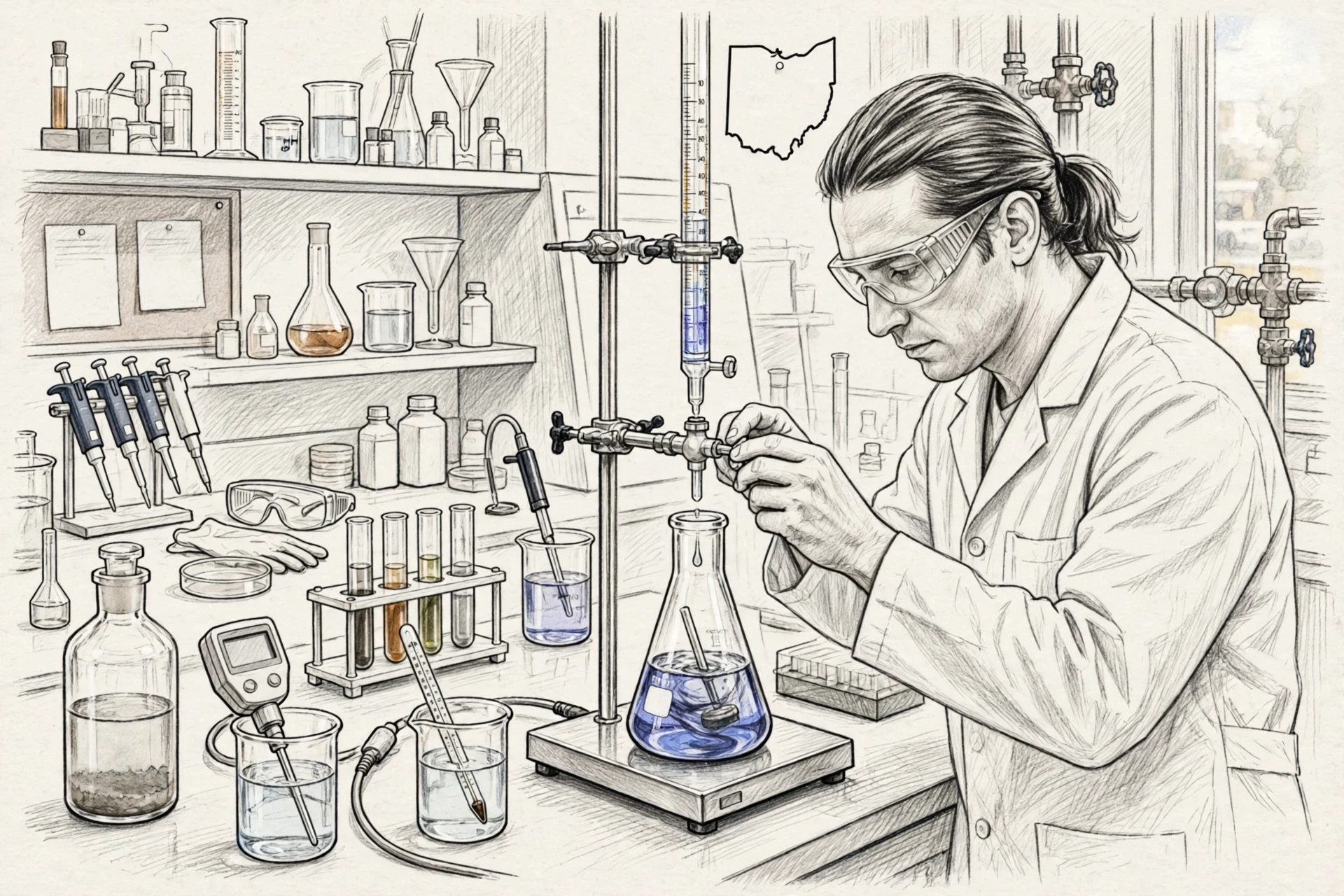
Before you size any 15–25 gpg water treatment system, get a verified number. Field test strips and drop-count kits give a ballpark, but a lab report gives you a defensible baseline for sizing equipment and proving results.
Who Can Test High-Hardness Water at Ohio Facilities?
Use a lab certified by Ohio EPA's drinking water program, which approves standard methods such as EDTA titration for hardness. Certified labs follow procedures like EPA Method 130.1, which measures total hardness in mg/L as CaCO3. A qualified treatment partner like Hoffman Soft Water can also sample and interpret results for 15–25 gpg water treatment.
What to Measure Beyond Hardness
Total hardness alone misses key inputs. Also test:
- Calcium and magnesium split
- Iron and manganese
- pH and alkalinity
- TDS and conductivity
- Silica, chlorine, and temperature
These shape resin choice, pretreatment, and your hardness target per application.
Also Read: 7 High-Hardness Water Treatment Systems for Industrial Facilities
Step 2: Map Where Hardness Creates Risk in the Facility
Walk the building with your hardness number in hand. Score risk by two factors: heat, and how fast water moves through equipment.
Prioritize Heat-Transfer and High-Temperature Equipment
Heat is what turns hardness into scale. List boilers, water heaters, heat exchangers, sterilizers, and dish machines first. The Department of Energy notes that even 1/32 inch of boiler scale can raise fuel use by 2%, and thicker deposits cost more. At 15-25 gpg, these assets scale fastest.
Separate Process, Potable, and Cooling Uses
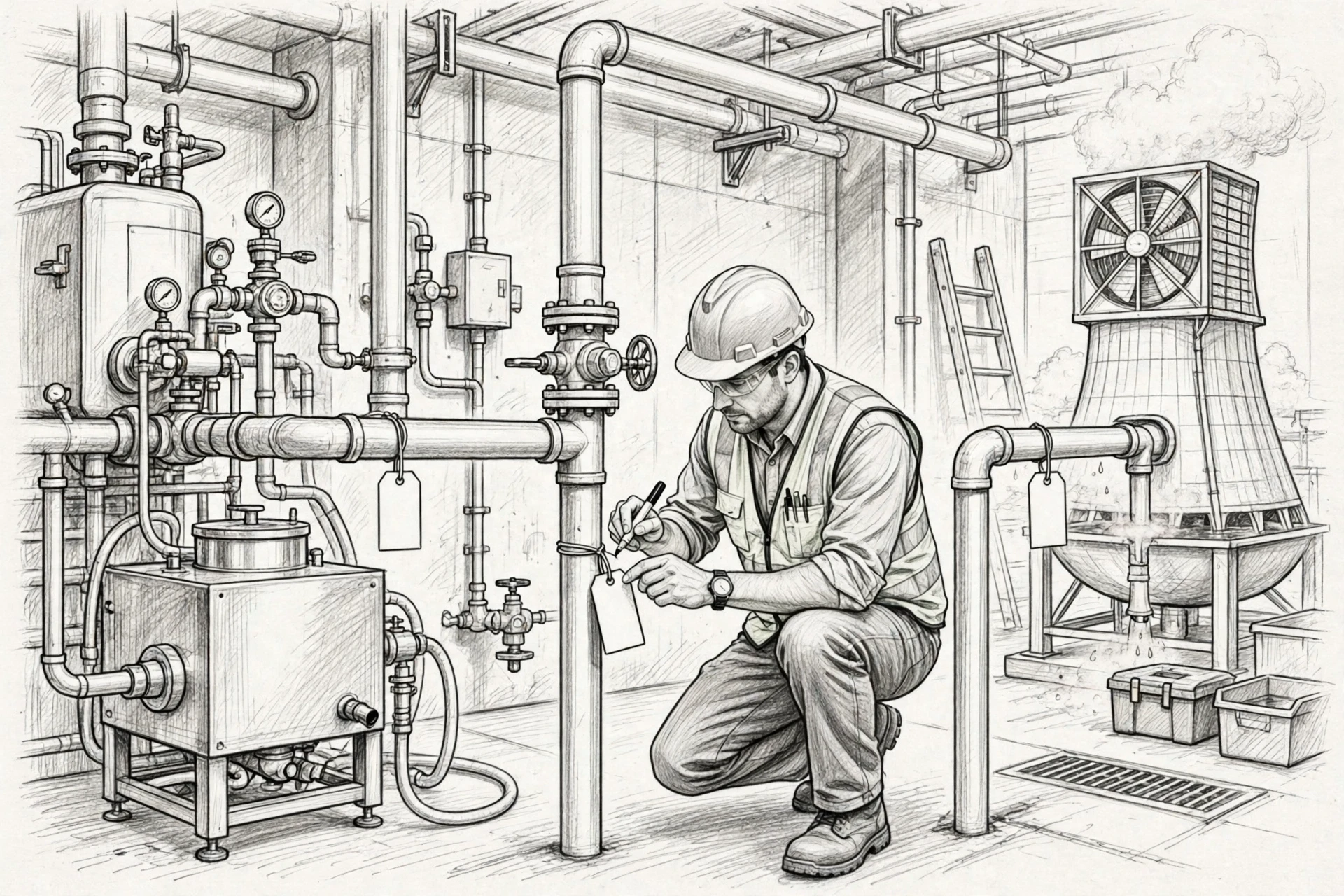
Tag each water line by what it feeds. Process water touching product (food, pharma, rinsing) needs tighter hardness limits than potable taps. Cooling towers concentrate minerals as water evaporates, so they need their own control plan. Grouping uses this way tells you where to soften, filter, or treat - and where full treatment is wasted money.
Step 3: Match the Treatment Technology to the Application
For 15-25 gpg water, sodium softening is the workhorse. It swaps calcium and magnesium for sodium, stopping scale in boilers, cooling towers, and process lines. Softening removes hardness but leaves other dissolved solids untouched, so it suits most industrial boiler and HVAC needs without extra cost.
Use Softening for Hardness Removal
- Boilers and cooling towers - ion exchange with salt brine handles scale risk at low cost.
- Laundry, dishwashing, and hospitality - soft water cuts detergent use and spotting.
- Food and beverage plants - protects heat exchangers and steam lines.
See how a sodium softener works:
Use Filtration, RO, or Deionization Only When the Process Requires More
Modern RO removes 99+ percent of total dissolved solids, and deionization polishes to near-zero conductivity. Reserve these for pharma, labs, and electronics. For most Ohio facilities, a well-sized softener does the job at a fraction of the cost.
Also Read: Boiler Scale Prevention vs Corrosion Control: Which Comes First?
Step 4: Commission, Monitor, and Improve the Program
Verify Performance After Startup
Don't assume a new system works. Test it. During commissioning, check softened water hardness, brine draw, and flow rates against design specs. ASHRAE notes that proper water treatment commissioning prevents scale and corrosion damage from day one (ASHRAE Seminar 37). Log baseline readings. Then retest weekly at first, monthly after that.
Choose a Partner for Ongoing Control
A treatment program is never "set and forget." Ohio's 15-25 gpg water shifts seasonally, so salt use, resin capacity, and control limits need regular review. ASME's consensus guidance makes ongoing sampling and monitoring central to protecting boiler systems (ASME CRTD-81). Pick a partner offering scheduled testing, data trending, preventive maintenance, and 24/7 response. Hoffman Soft Water combines chemical engineering expertise with ongoing monitoring so small drifts get fixed before they become scale, downtime, or equipment replacement.
Ready to protect your facility from Ohio's hardest water? Hoffman Soft Water engineers custom softening and filtration systems for 15–25 gpg conditions. Request your free water assessment today.
Frequently Asked Questions
Q1: Who can test high-hardness water at Ohio facilities?
A certified lab, your water treatment provider, or an in-house titration kit can all test hardness. Hoffman Soft Water offers on-site testing with documented results for compliance needs.
Q2: What softener size does a 20 gpg facility need?
Size by peak flow and daily grain load, not just pipe diameter. Calculate grains per day, then match resin capacity to your regeneration schedule.
Q3: How often should commercial softeners be serviced?
Most facilities need monthly checks and resin testing every 6 to 12 months. High-demand plants benefit from continuous monitoring with 24/7 support.
Q4: Is 15-25 gpg hardness safe for boilers?
No. At that level, untreated water causes rapid scale, fuel waste, and tube failure. Softening plus proper chemical control is essential.
Conclusion
Ohio's 15-25 gpg water demands a clear plan: test your hardness, map where water touches equipment, and match treatment to each use. Done right, softening cuts the energy waste and scale that hard water causes in boilers and cooling towers, protecting uptime and budget.