 Hoffman Soft Water
Start with boiler scale prevention when hard water feeds your boiler. A softener stops minerals before they bake onto heat-transfer surfaces. Still, corrosion control must run at the same time to manage oxygen, pH, and condensate risk. This guide compares boiler scale prevention, chemical treatment, and providers including Hoffman Soft Water, Chardon Labs, EAI Water, and ChemTreat.
Boiler Scale Prevention vs Corrosion Control: At a Glance
| Boiler scale prevention | Boiler corrosion control | |
|---|---|---|
| Primary target | Hardness minerals and deposits | Dissolved oxygen, acidity, and corrosive conditions |
| Where it acts | Makeup water, feedwater, and boiler surfaces | Feedwater, boiler water, piping, and condensate return |
| Main risk reduced | Insulation, overheating, fuel waste, and tube failure | Pitting, thinning, leaks, and premature failure |
| Typical tools | Softening, filtration, RO, polymers, phosphates, blowdown | Deaeration, oxygen scavengers, pH control, passivation, monitoring |
| Best starting signal | High hardness, visible deposits, or poor heat transfer | Pitting, iron or copper readings, leaks, or unstable chemistry |
How Boiler scale prevention and Boiler corrosion control Compare
Boiler scale prevention
Scale prevention limits hardness minerals and deposits in makeup water, feedwater, and boiler surfaces. It fits plants seeing hard water, visible deposits, or weak heat transfer; DOE guidance links scale to insulation, fuel waste, overheating, and tube failure.
Boiler corrosion control
Corrosion control manages oxygen, pH, condensate, and other metal attack risks across the boiler system. It serves facilities finding pitting, leaks, or unstable chemistry, using deaeration, chemical feed, and monitoring to limit thinning and early failure.
What Comes First in Commercial Boiler Protection?
Why Hard Makeup Water Often Sets the Priority
Start with makeup-water pretreatment if hardness is high. Calcium and magnesium can form scale on boiler tubes, blocking heat transfer. The U.S. Department of Energy notes that scale can raise firetube boiler fuel use by up to 5% in its boiler guidance.
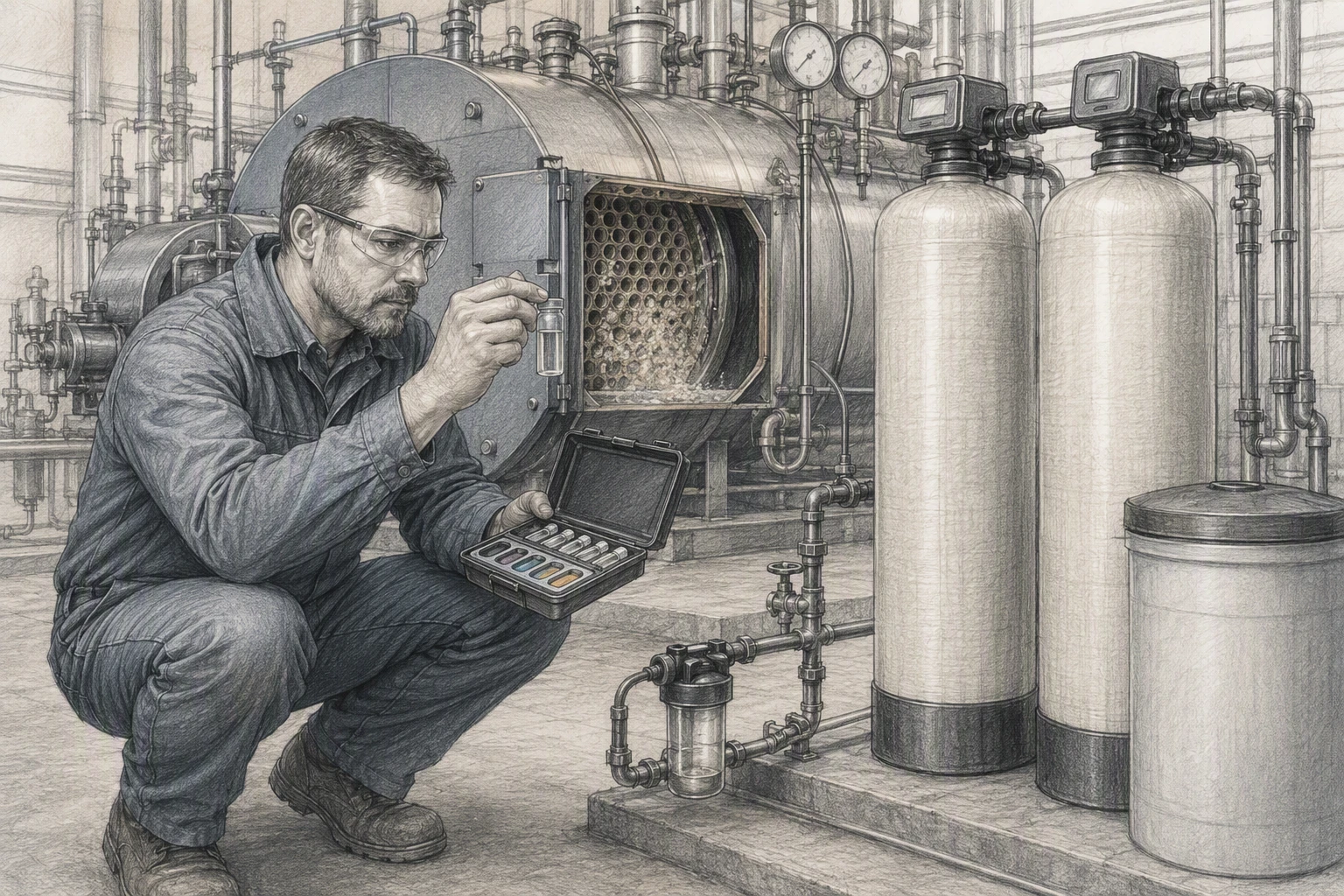
Use softening or other fit-for-site pretreatment before water enters the boiler. Then run corrosion control at the same time through deaeration, chemical feed, and routine water tests.
Do not treat this as an either-or choice. Stop hardness upstream, then control oxygen and pH inside the system.
Also Read: About Doug Hoffman | Hoffman Soft Water
How Scale Prevention and Corrosion Control Work Together
The Feedwater, Boiler Water, and Condensate Connection
Treat the whole steam loop, not just the boiler. Pretreat makeup water to limit hardness minerals, then control boiler-water chemistry and protect condensate returns from oxygen and carbon dioxide.
| Zone | Main risk | Control focus |
|---|---|---|
| Feedwater | Scale minerals, dissolved gases | Softening and deaeration |
| Boiler water | Deposits and high solids | Chemical feed and blowdown |
| Condensate | Oxygen and carbon dioxide attack | Return testing and corrosion control |
DOE guidance calls for routine water-chemistry checks to prevent both scale and corrosion.
Keep condensate separate if contamination is possible. Bad returns can spread corrosion risk into feedwater.
Also Read: Blog & Insights | Hoffman Soft Water
Which Providers Prevent Boiler Scale and Corrosion?
What to Compare Before Signing a Treatment Program
Choose a provider that treats makeup-water scale risk and internal corrosion as linked, but separate jobs. The U.S. Department of Energy advises routine boiler-water checks and specialist support for both scale and corrosion control in its boiler guidance.
| Compare | Ask the provider |
|---|---|
| Pretreatment | Will you test hardness, silica, and iron? |
| Internal control | How will you manage oxygen, pH, and chemical feed? |
| Service | Who responds when readings drift? |
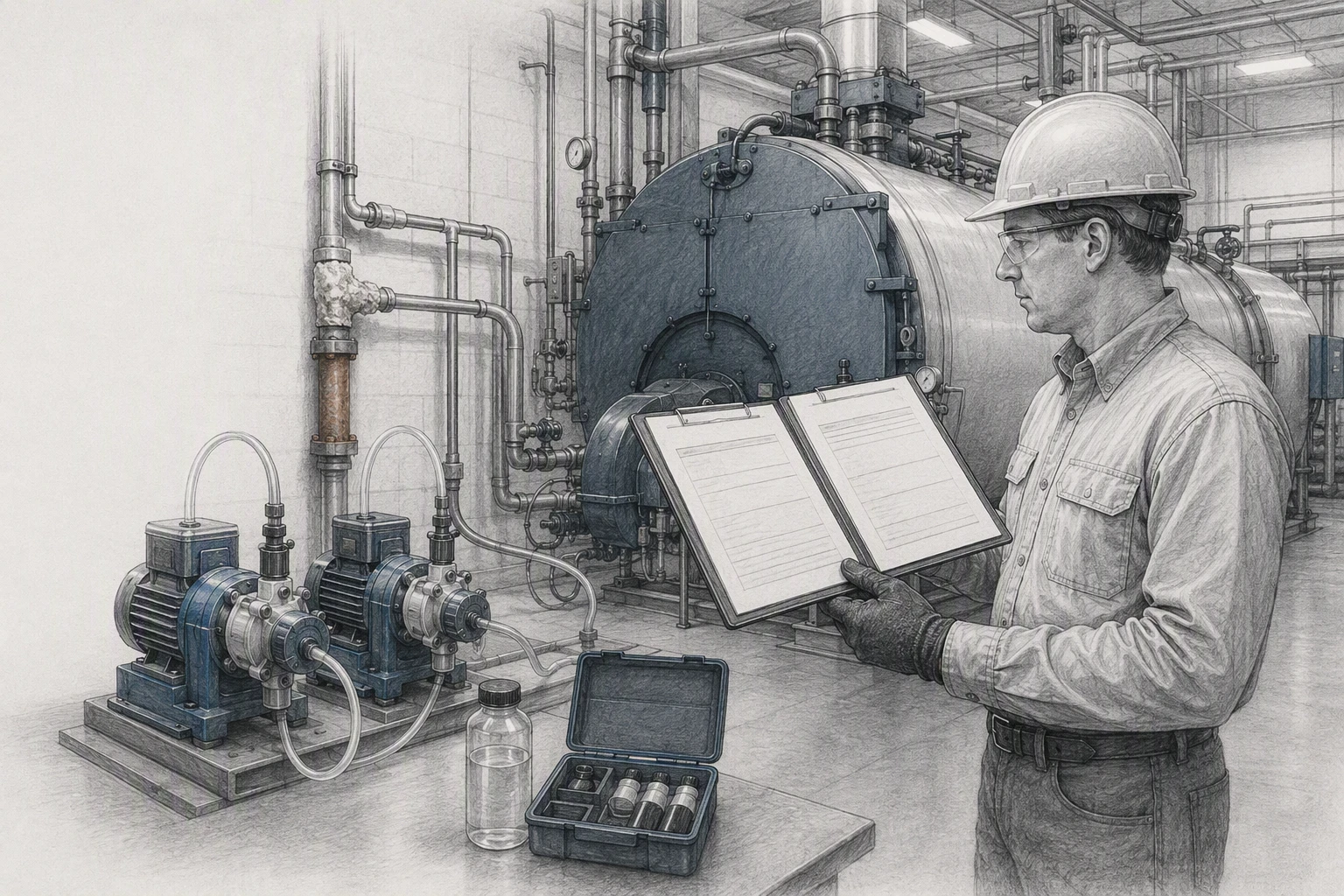
- Require written test points and visit frequency.
- Confirm softener sizing matches peak makeup demand.
Hoffman Soft Water fits Ohio sites that need engineered pretreatment, monitoring, and rapid local support.
Also Read: Water Softening Case Studies | Hoffman Soft Water
Which Should You Choose: Scale Prevention or Corrosion Control?
Choose scale prevention first if hard makeup water enters your boiler. Scale blocks heat transfer and can raise fuel use, while DOE guidance recommends pretreatment to stop it forming.
Do not treat corrosion control as optional. Run it at the same time to manage oxygen, carbon dioxide, and condensate risks.
The best sequence is pretreatment upstream, then internal corrosion control and routine chemistry checks.
Stop scale at the source while controlling corrosion inside the boiler. Hoffman Soft Water designs custom pretreatment plans for reliable, efficient Ohio operations.
Frequently Asked Questions
Q1: Which top providers prevent boiler scale and corrosion?
Hoffman Soft Water, Chardonlabs, Eaiwater, and Chemtreat offer boiler water treatment. Choose a provider that tests your feedwater, treats hardness upstream, and manages internal chemistry.
Q2: Should I soften boiler feedwater first?
Yes. Remove hardness before it enters the boiler, then use internal treatment to control oxygen, pH, and metal loss.
Q3: How often should boiler water be tested?
Test often enough to catch changes before damage begins. Many plants need daily checks, plus regular review by a qualified water treatment provider.
Conclusion
Prevent scale upstream first, but control corrosion at the same time inside the boiler. Routine chemistry checks protect heat transfer, uptime, and equipment life, as the DOE recommends.