 Hoffman Soft Water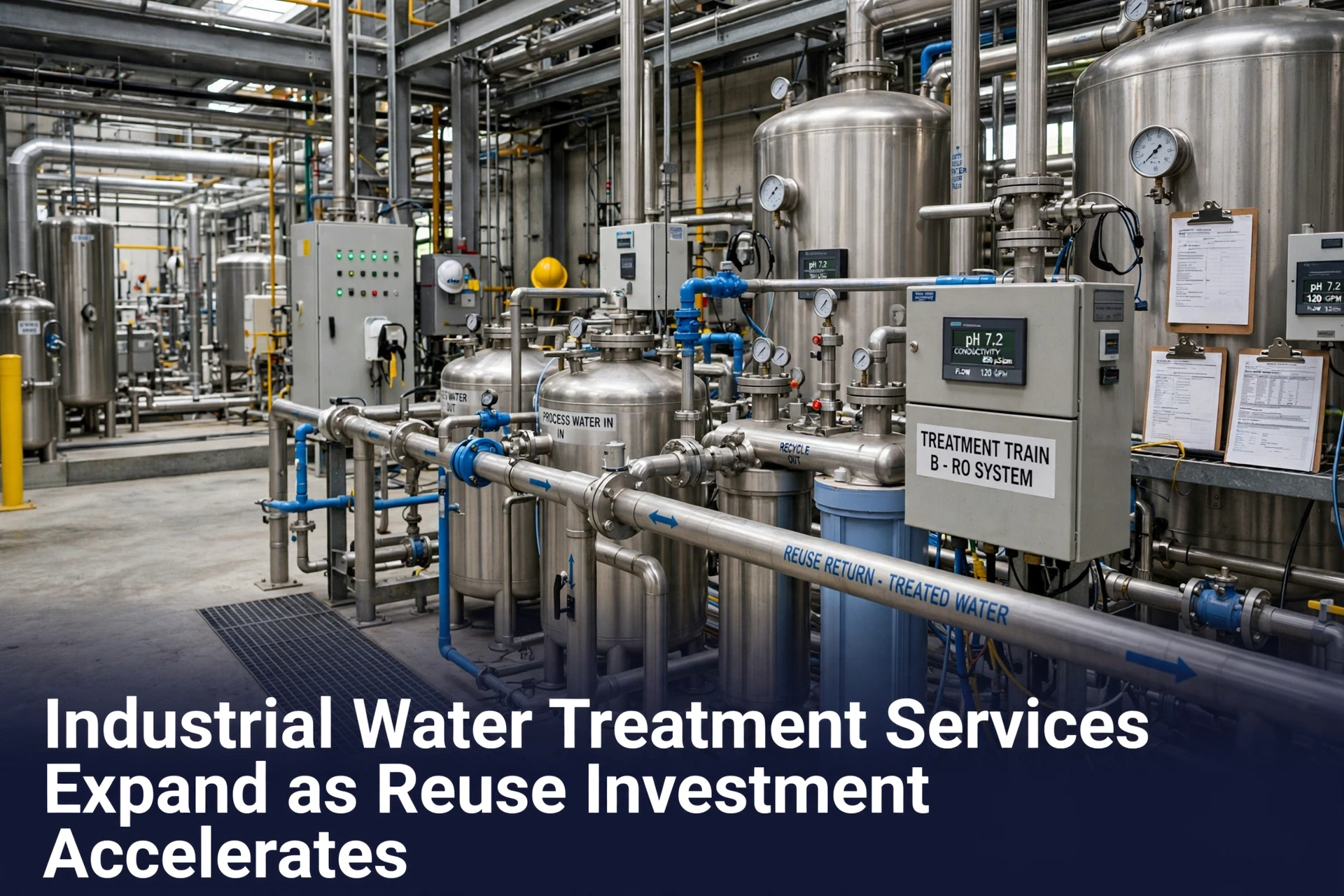
Quick Summary: Ohio manufacturers are pairing water reuse with treatment systems tailored to each stream, as shown by Covestro's Newark upgrades and a semiconductor plant reusing up to 80% of process wastewater. Softening is a critical early step to prevent scale, but only after characterizing each stream's hardness and other properties. Before installing anything, facilities must check Ohio EPA permits, including additive approvals and NPDES limits, since reuse changes discharge profiles. The takeaway: design treatment around data and permits first, then invest in recovery to cut costs and meet stricter rules.
Ohio manufacturers just sent two clear signals. In May 2026, Covestro upgraded wastewater treatment and recycling at its Newark site. Separately, an Ohio semiconductor facility documented reuse of up to 80% of its process wastewater. The lesson: pair recovery with manufacturing water treatment matched to each stream. Recovered water still has to meet process specs, and new industrial wastewater systems can trigger state installation, discharge, or pretreatment rules. This story covers what both projects show, where softening fits in a reuse train, and the regulatory checks to run first.
Recent Ohio Plant Upgrades Put Water Recovery Into Practice
What the Newark and Springfield Projects Actually Changed
Two Ohio projects show what manufacturing water treatment looks like when reuse moves from plan to pipe. In Newark, Covestro's plant won a 2026 Ohio Chemistry Technology Council award for three upgrades: a steam recovery system that condenses and recycles steam, multimedia filtration with variable frequency drives that keeps plastic resin out of the local sewer, and an ion resin treatment step that improves discharge quality. A second phase should save another 8,000 to 10,000 gallons per day.
Springfield took a different path. Its city wastewater plant upgrades added advanced secondary treatment, better disinfection, and headworks improvements that let the plant handle more flow without new discharge.
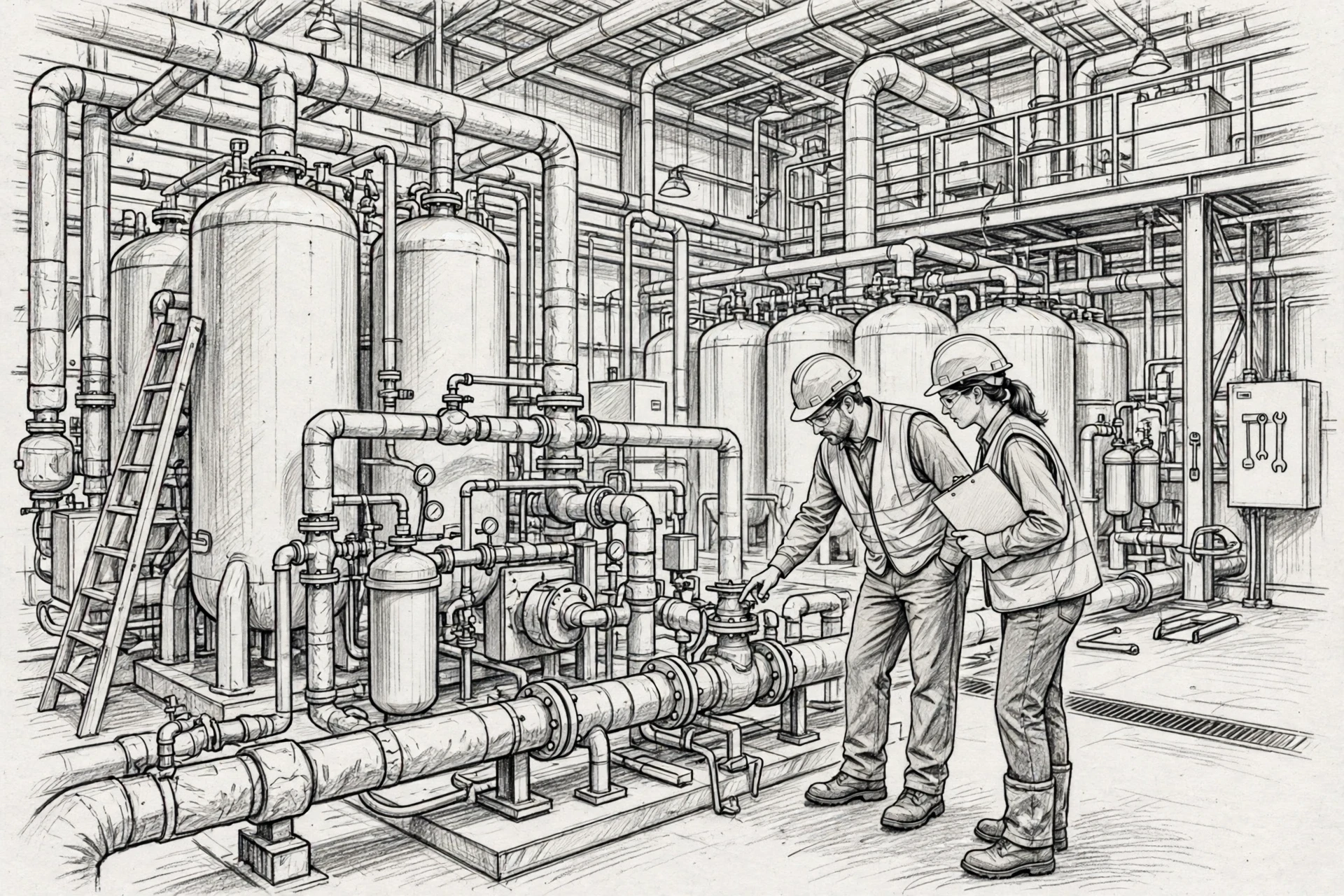
The common thread: pretreatment and filtration upgrades came first. Recovery only works when the water feeding your boilers and cooling towers is clean enough to recycle.
Also Read: https://www.hoffmansoftwater.com/blog/7-cooling-tower-filters-for-cleaner-more-efficient-operations
Where Water Softening Fits in a Reuse System
Start With Stream Characterization, Not a Standard Equipment List
Softening sits early in the reuse train, and for good reason. Reused water carries concentrated calcium and magnesium. When it hits reverse osmosis membranes or boiler tubes, that hardness forms scale. ISO 23044:2020 treats softening as the first step for reuse water headed to cooling towers, boilers, and process lines.
But don't buy equipment before you know your water. Characterization comes first:
- Test each waste stream for hardness, alkalinity, TDS, silica, and iron.
- Map where that water will go next - cooling loop, boiler feed, or rinse tanks.
- Match the softening method (ion exchange, lime softening, or chemical precipitation) to the stream, not to a catalog.
- Confirm RO recovery targets, since higher recovery demands lower hardness.
That's how manufacturing water treatment gets designed around data. An EPA-documented sidestream softening system reached near zero liquid discharge by removing calcium, magnesium, and silica first, then recycling the water - proof the sequence matters more than the hardware.
Ohio Permit Checks Can Affect Treatment Changes
Water reuse changes how your facility discharges, so permits matter before you install anything. Under Ohio's rules, installing or modifying a wastewater treatment system may require a permit-to-install, and permit actions must be processed within 180 days of a complete application.
Plan around three checks:
- Treatment additive approval. New softening or filtration chemistry may need Ohio EPA sign-off.
- NPDES limits. Reuse concentrates blowdown, which can change discharge volumes and pollutant loads.
- Reporting duties. Violations of daily limits require notice within 24 hours.
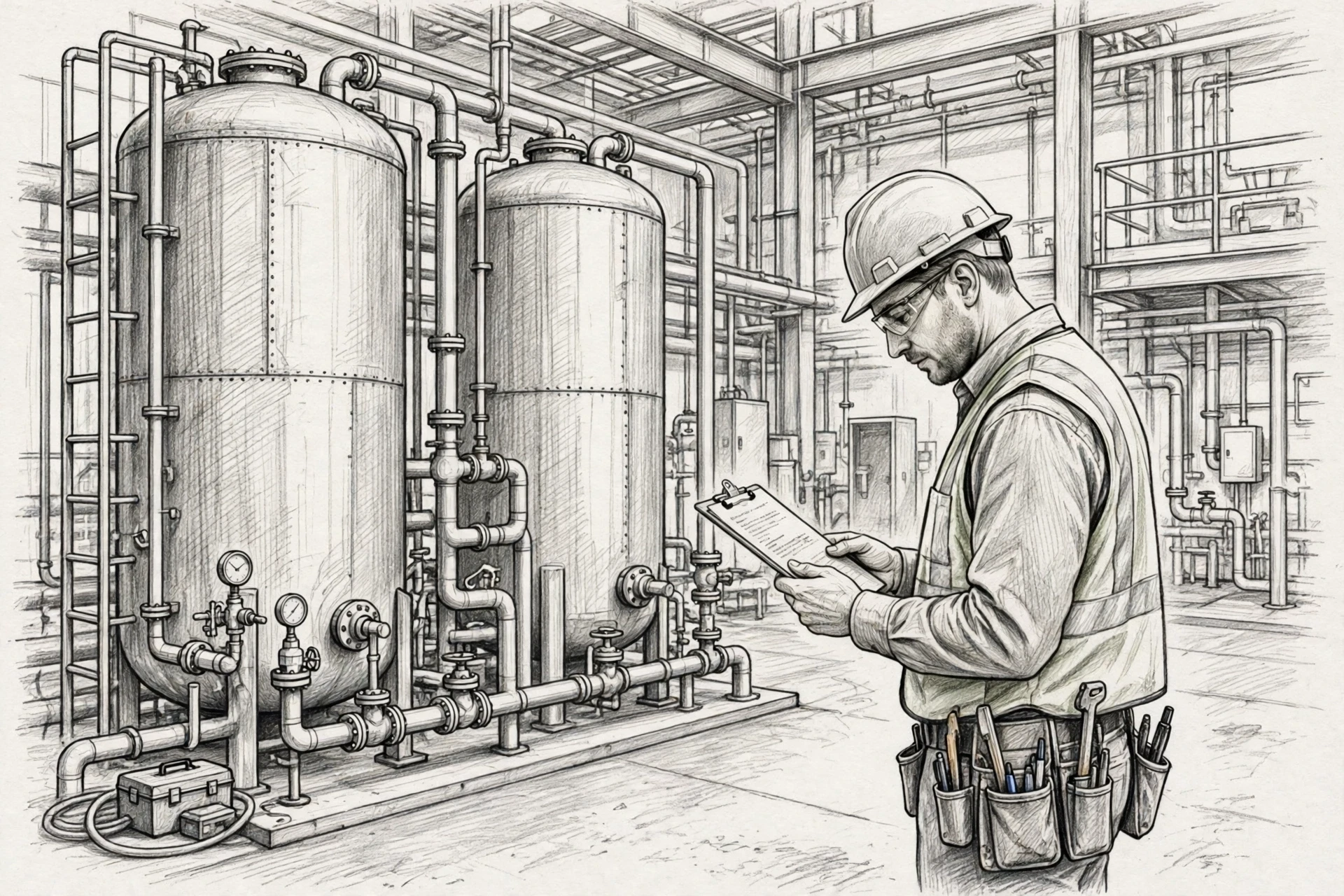
Get your water treatment provider involved early. Hoffman Soft Water designs systems with permit limits in mind, so compliance stays simple.
Build permit lead time into your project schedule. Six months of review is normal, and a delay here can stall your whole reuse investment.
Why Ohio's Reuse Conversation Is Growing
Water reuse is moving from a nice-to-have to a business decision in Ohio. Stricter NPDES permit limits, new water-intensive facilities, and rising intake costs are pushing plants to recycle more and discharge less. Ohio EPA requires detailed permits and monitoring for most industrial discharges, and even data centers now face a first-time statewide discharge permit. For facility owners, treating water for reuse often costs less than upgrading discharge compliance.
Ready to cut water costs and meet Ohio's reuse requirements? Hoffman Soft Water designs custom treatment systems for your facility. Request a free water assessment today.
Frequently Asked Questions
Q1: What recent water treatment developments affect Ohio manufacturers?
Reuse projects are growing, so plants now pair softening and filtration with permit-driven wastewater limits. Vendors like Hoffman Soft Water, Chardonlabs, and Chemtreat have expanded services to cover both sides.
Q2: Do I need softening before reusing process water?
Usually yes. Hard water scales boilers and cooling towers fast, cutting heat transfer and raising energy costs.
Q3: How do Ohio wastewater permits affect reuse plans?
Your NPDES or POTUS limits set how clean recycled water must be, so design treatment around discharge requirements first.
Q4: How much can softening save on energy?
Even 1/16 inch of scale can raise boiler fuel use noticeably. Softened feedwater typically pays back through lower gas bills and fewer repairs.
What Ohio Manufacturers Should Do Next
Water reuse works when softening and pretreatment match your water quality and Ohio's NPDES permit rules. Audit hardness first, then plan reuse against EPA guidance before buying equipment.