 Hoffman Soft Water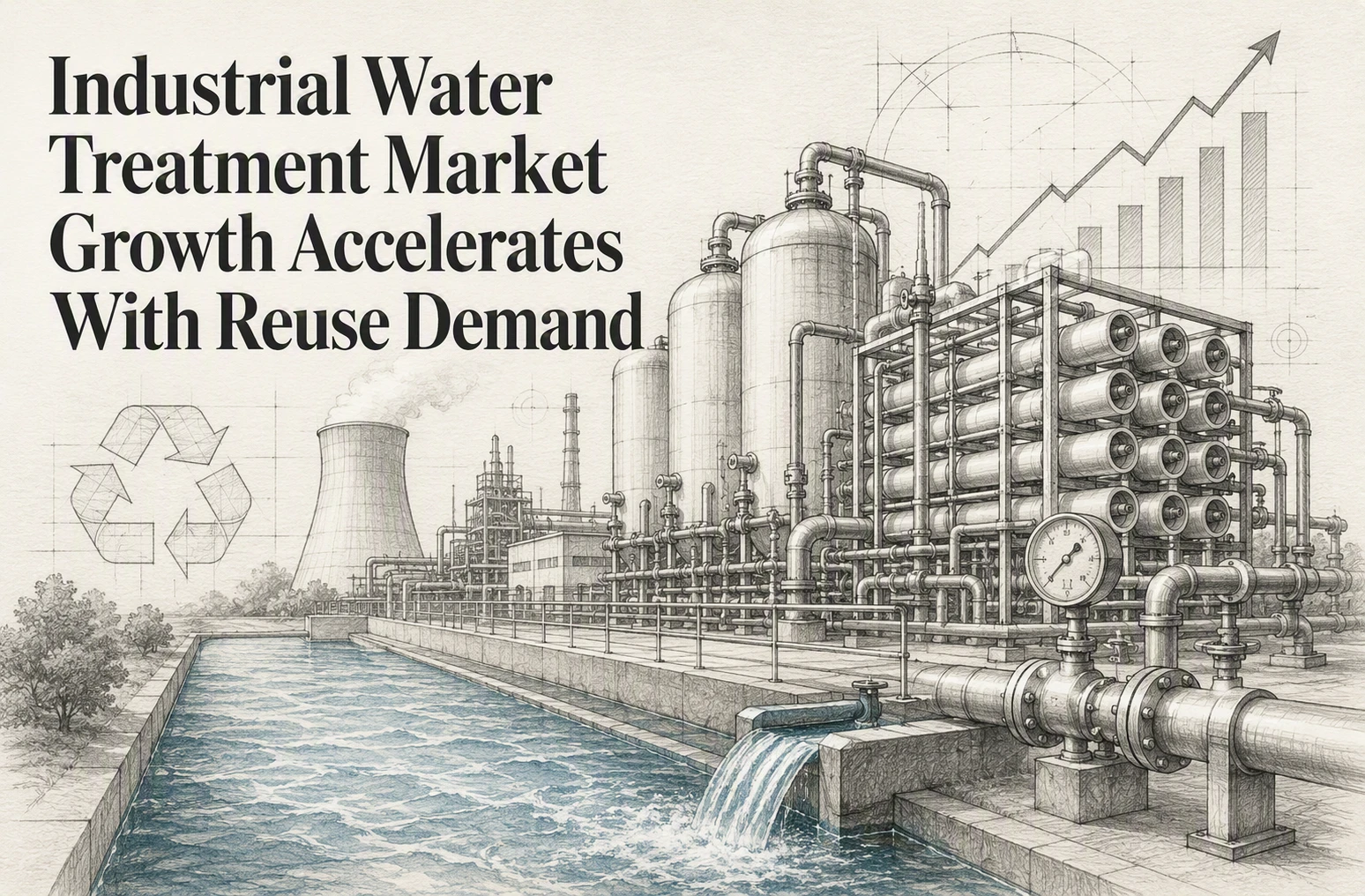
EPA launched Water Reuse Action Plan 2.0 on April 16, 2026, naming industry, data centers, chips, food, and energy as priority uses. Industrial mineral removal now matters before reuse water concentrates through evaporation. Hardness can scale heat surfaces, raise blowdown, and cut equipment life. This source-led guide explains how industrial mineral removal supports fit-for-purpose recycling across cooling, boilers, process, and cleaning systems.
EPA’s Reuse Push Raises the Stakes for Hardness Control
Why Reuse Concentrates Mineral Risk
EPA relaunched WRAP 2.0 in 2026 with new actions aimed at industrial reuse, including food and beverage projects. EPA’s update makes one point clear: reuse systems need fit-for-purpose treatment.
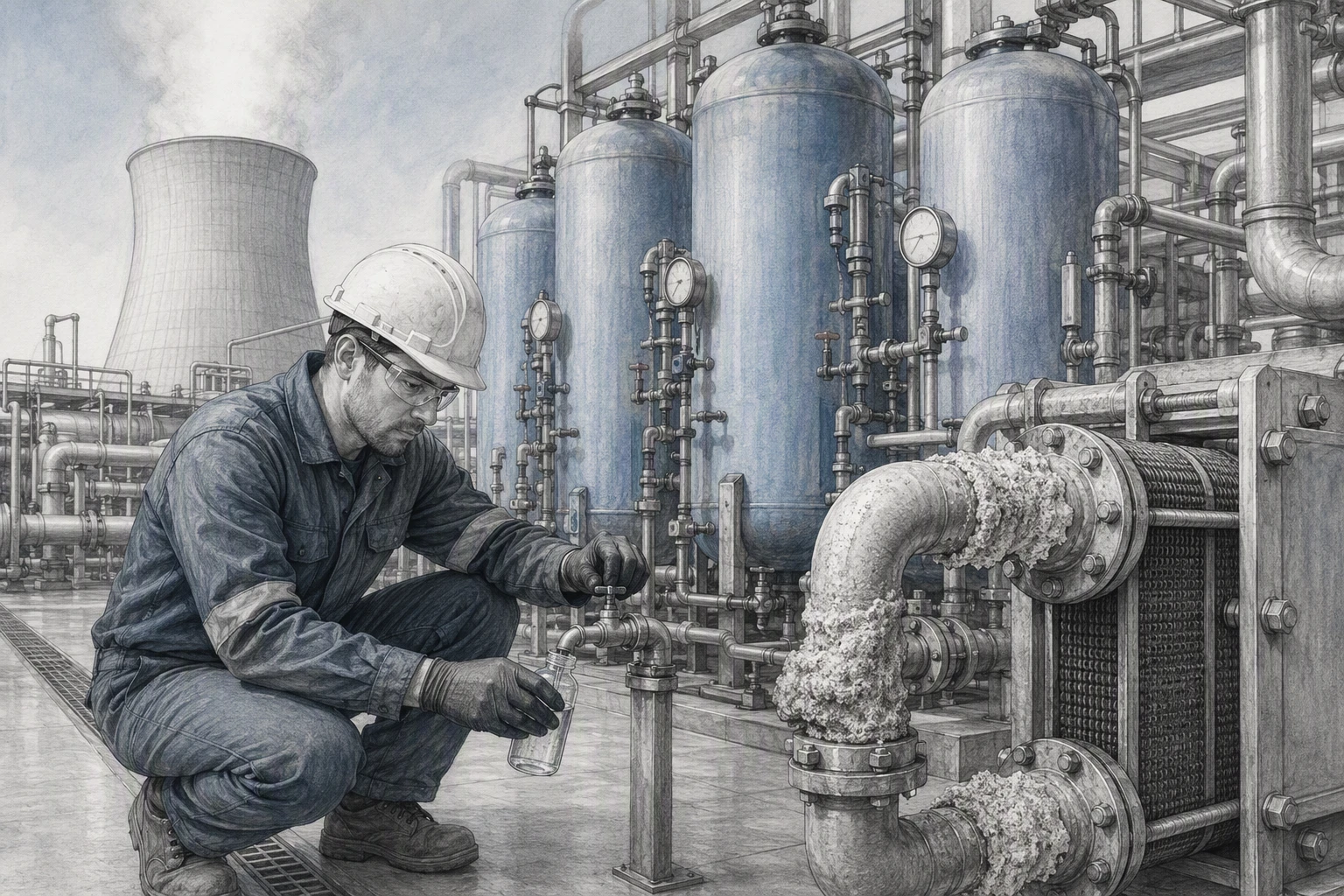
Each cooling cycle leaves more calcium, magnesium, silica, and salts behind. That raises scale risk in heat exchangers, boilers, membranes, and process lines.
Test hardness, alkalinity, silica, conductivity, and cycles of concentration before setting a reuse target.
The Applications Moving First
EPA lists cooling and car manufacturing among key reuse uses. Its industrial reuse guide also includes onsite boiler and cooling water.
| First-use application | Hardness control need |
|---|---|
| Cooling towers | Limit scale and bleed |
| Boiler makeup | Protect tubes and steam quality |
| Process rinse water | Prevent spots and deposits |
Industrial mineral removal should match the end use, not a generic water target.
Also Read: About Doug Hoffman | Hoffman Soft Water
Source-to-Sink Planning Changes How Plants Remove Minerals
Start With a Facility Water Balance
Map every inlet, use point, drain, and reuse loop. Record flow, hardness, conductivity, silica, and key metals. EPA describes a water balance as a view of water moving into and out of each process, which exposes lost and reusable streams. EPA guidance supports this first step.
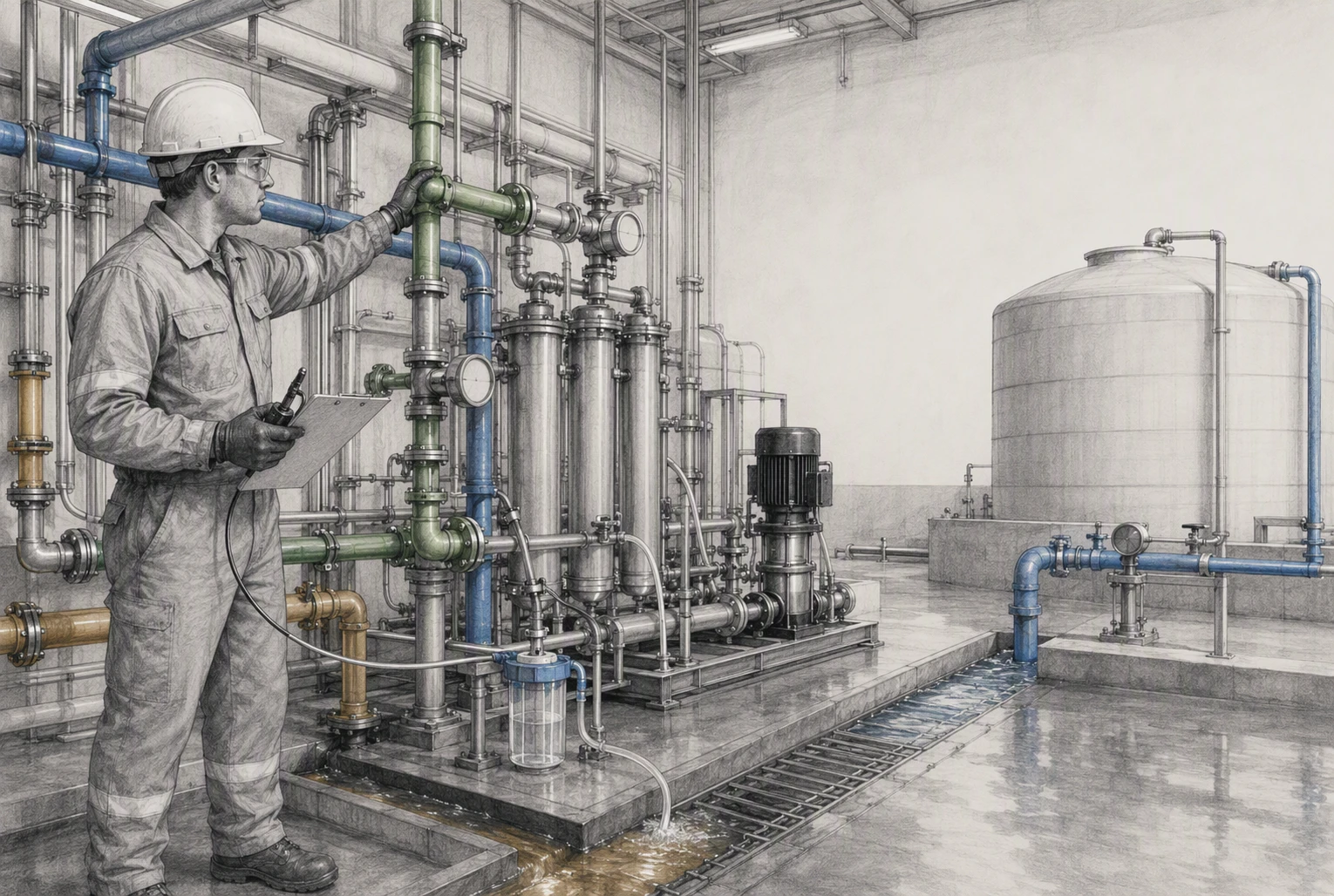
Tip: Sample during normal production and cleaning cycles. One grab sample can mislead treatment sizing.
Prioritize Streams With the Highest Reuse Value
Send the cleanest, lowest-mineral streams to lower-risk uses first.
| Stream | Best reuse target | Mineral control |
|---|---|---|
| Final rinse | Cooling makeup | Softening or RO |
| Cooling blowdown | Floor wash | Filtration |
| High-TDS reject | Disposal | No reuse |
EPA notes onsite cooling and boiler water can be reused elsewhere. Industrial reuse resources help frame options.
Also Read: Water Softening Case Studies | Hoffman Soft Water
Choosing the Mineral-Removal Train for Reuse
Softening for Scale-Sensitive Utility Systems
Start with ion-exchange softening when calcium and magnesium drive scale in cooling loops or low-pressure boilers. It protects heat-transfer surfaces without stripping all dissolved salts.
| Reuse need | Best first step | Watch item |
|---|---|---|
| Cooling tower makeup | Softener | Chloride buildup |
| Boiler feed | Softener plus polishing | Silica and alkalinity |
- Test hardness, TDS, alkalinity, silica, and iron.
- Size for peak flow and regeneration wastewater.
Softening reduces hardness, not total dissolved solids.
Desalination for Higher-Purity Applications
Use reverse osmosis when the end use needs low mineral water, such as high-pressure boiler feed or sensitive process rinse. EPA notes that treatment trains often combine methods because no one process removes every contaminant in its water-purification guidance.
- Soften or pretreat ahead of RO.
- Plan for concentrate handling.
- Confirm permeate quality at the actual reuse point.
Also Read: Blog & Insights | Hoffman Soft Water
What Industrial Operators Should Watch Next
Permitting and Monitoring Remain Site Specific
Reuse does not create one national operating rule. Your permit, discharge route, local POTW limits, and state reuse rules set the real requirements. EPA notes that reuse projects may need terms for concentrated residuals, monitoring, and reporting in reuse permitting guidance.
Confirm sampling points and mineral limits before changing cycles of concentration.
A Practical Readiness Checklist
- Test source and recycle water for hardness, silica, TDS, iron, and chloride.
- Map every reuse stream, blowdown point, and residual path.
- Compare new loads with permit and sewer limits.
- Set alarms for conductivity, hardness breakthrough, and flow.
- Document maintenance, samples, and corrective actions.
| Check | Why it matters |
|---|---|
| Residual plan | Prevents a reuse gain from becoming a discharge problem |
Plan your reuse system around hardness now. Hoffman Soft Water designs pretreatment that protects boilers, cooling towers, and process equipment.
Frequently Asked Questions
Q1: What recent trends are reshaping industrial hardness treatment?
Water reuse is raising mineral loads and scale risk. Plants now test recycle streams separately, size softeners for peak demand, and pair hardness removal with solids control.
Q2: Should reuse water enter a boiler untreated?
No. Test hardness, silica, iron, and total dissolved solids first. Even low hardness can build scale after repeated reuse cycles.
Q3: When should a plant upgrade its softener?
Upgrade when resin fouls, hardness breaks through, regeneration demand rises, or added reuse flow exceeds the original design capacity.
Conclusion
Industrial reuse can cut freshwater demand, but it concentrates scale-forming minerals. Start with water testing, match treatment to end use, and plan brine handling. The EPA identifies cooling and manufacturing as practical reuse applications.