 Hoffman Soft Water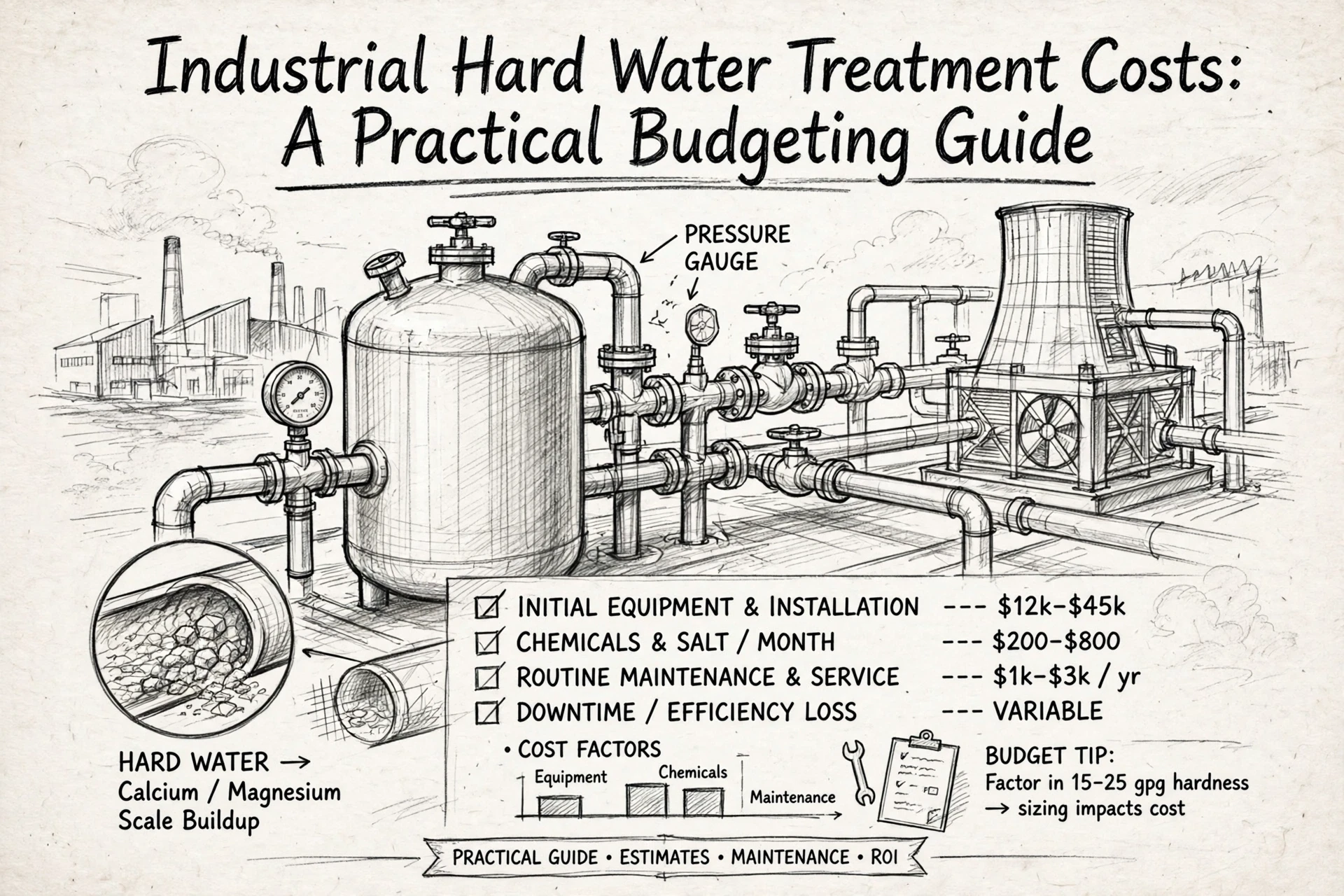
Quick Summary: Industrial hard water treatment costs go far beyond the equipment quote, with salt, energy, water, maintenance, and downtime often dwarfing the initial price. Budget in three buckets (equipment, installation, site work) and track annual operating costs separately, adding a 10-15% reserve for surprises. Compare vendor bids on scope, 10-year lifecycle numbers, service terms, and sizing logic, not just price. For Ohio's 15-25 gpg water, a custom-engineered system typically pays for itself in 1-3 years through lower energy and repair costs.
A softener quote is one line in your budget. Salt, regeneration water, installation, and scale-related downtime are the rest, and they often dwarf the equipment price. This guide breaks down hard water treatment costs for industrial and commercial facilities, showing how to separate project cost from true lifecycle expense. It draws on decades of treating Ohio's hardest water (15-25 gpg) in boilers, cooling towers, and food and beverage plants, so you can budget with real numbers instead of guesses.
Why Industrial Hard Water Treatment Has No Single Typical Price
The Inputs That Change the Quote
Ask three vendors for an industrial water treatment price and you may get three wildly different numbers. That is normal. The cost depends on your water's hardness (Ohio water often runs 15-25 grains per gallon), your peak flow rate, and how many gallons per day you need to treat.
Equipment type matters too. A basic softener costs far less than a system paired with filtration or reverse osmosis for a food plant or boiler feed. Add installation conditions, monitoring needs, and service plans, and the quote shifts again.
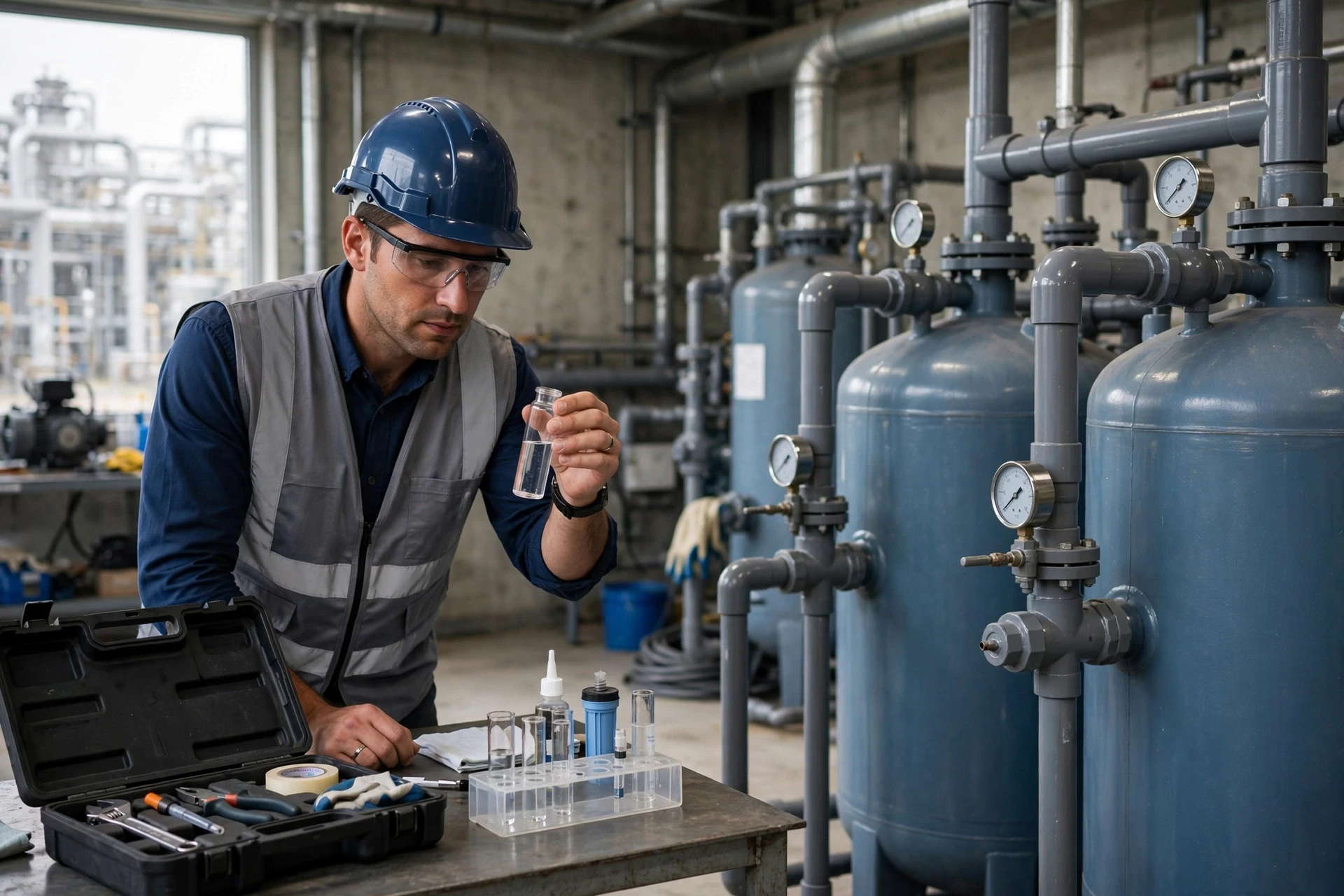
A custom water softening system is designed around these inputs, so treat any flat "typical price" with caution.
Build the Installed Project Budget
Separate Equipment, Installation, and Site Work
Price a system in three buckets so bidders can't hide costs inside one lump sum.
| Bucket | What It Covers | Typical Share |
|---|---|---|
| Equipment | Softener tanks, brine tank, controls, valves | 40–55% |
| Installation | Piping, electrical, plumbing, labor | 30–40% |
| Site work | Concrete pad, drains, bypass, permits, demolition | 10–20% |
Ask each vendor to quote all three lines. Then compare apples to apples: a low equipment price often hides markup in installation. Budget for what crews find once walls open, too. Old pipe, cramped mechanical rooms, and undersized drains add real dollars fast.
For Ohio facilities, custom-engineered industrial water softening systems usually need more site work than a catalog unit, so plan for it upfront.
Estimate the Annual Cost of Ownership
Make Recurring Inputs Visible
Your project price is a one-time number. The yearly cost repeats, so track it separately. List every recurring input on one page:
- Salt and chemicals: Usually your largest yearly spend.
- Energy: Hard scale in boilers and cooling towers raises fuel bills.
- Water and sewer: Regen cycles and blowdown use water you pay for twice.
- Labor and maintenance: Service visits, media replacement, and staff time.
- Downtime: One unplanned shutdown can wipe out a year of savings.
Add a reserve, about 10 to 15%, for surprise repairs. Then divide the total by gallons treated to get a cost per 1,000 gallons. That single figure makes vendor quotes easy to compare.
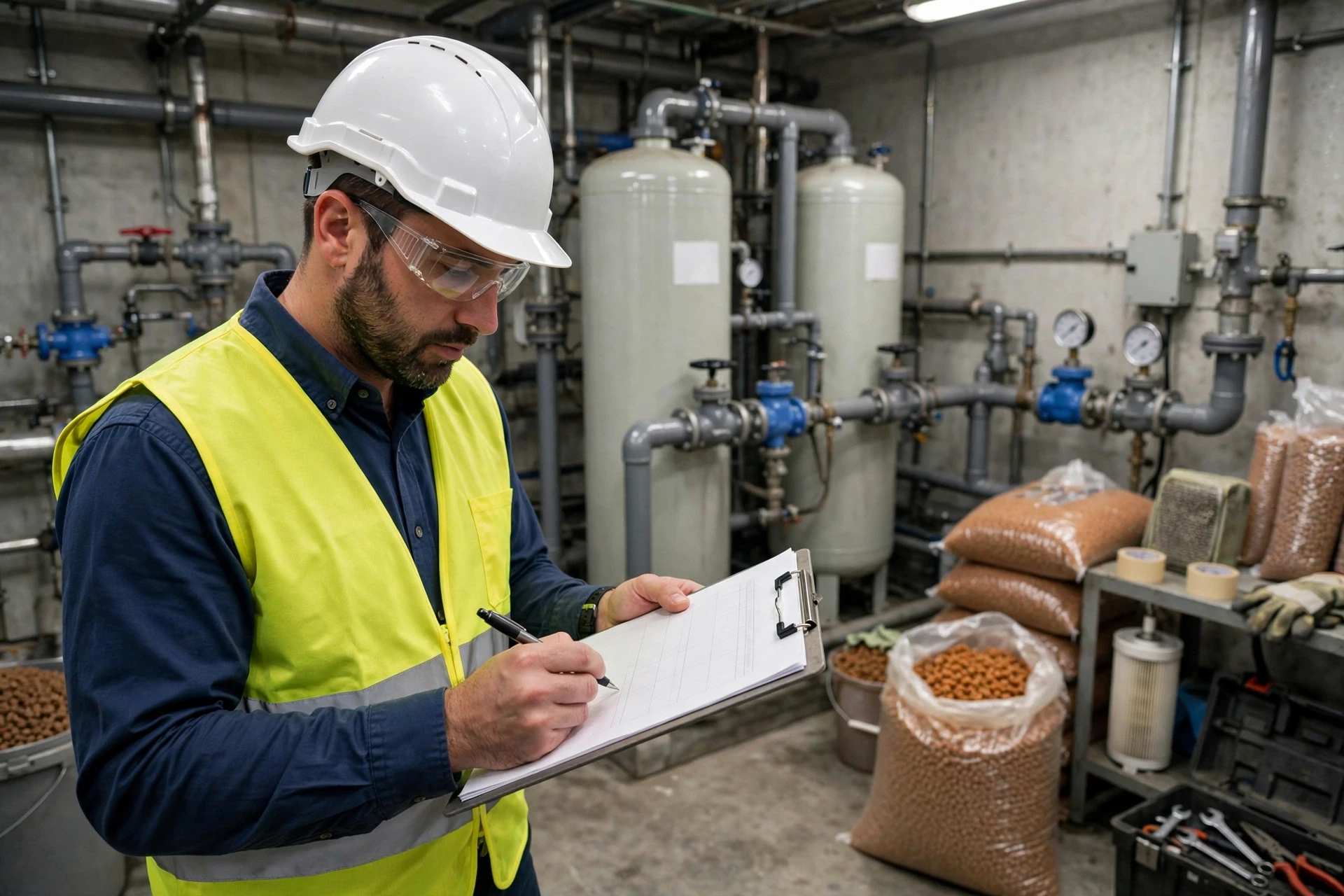
Neglected systems drift upward in cost. A preventive maintenance plan, like the ongoing monitoring offered by commercial water softening systems specialists, keeps the inputs predictable year after year.
Compare Quotes Using a Site-Specific Decision
Stack every quote against your own site data, not the vendor's assumptions. Score each one on:
- Scope: Does it include site testing, system sizing for your actual gpg, installation, and startup?
- Lifecycle numbers: Ask for 10-year salt, water, energy, and maintenance estimates. A cheap bid often hides higher running costs.
- Service terms: Response time, monitoring, and preventive visits matter as much as price.
- Sizing logic: Reject bids sized from flow rate alone. A right-sized custom industrial water softener reflects your hardness, peak demand, and downtime limits.
Then pick the lowest quote that scores well on all four. In Ohio's 15-25 gpg water, a vendor who engineers for your facility will usually beat the lowest bidder within a few years.
Ready to turn your hard water budget into a real plan? Hoffman Soft Water designs custom systems for Ohio facilities. Request your free site assessment today.
Frequently Asked Questions
Q1: How much does industrial hardness treatment typically cost?
Most systems range from $20,000 to $150,000 installed, depending on flow rate and hardness. Annual operating costs add $2,000 to $25,000 for salt, water, maintenance, and monitoring.
Q2: How long does an industrial water softener last?
A well-maintained system runs 15 to 20 years. Resin typically needs replacement every 8 to 12 years, so budget for that mid-life cost.
Q3: Should I buy or lease my treatment system?
Leasing spreads cost over time and includes service, which helps tight capital budgets. Buying costs less over 10+ years for stable, long-term demand.
Q4: How fast does hard water pay for itself?
Ohio facilities with 15-25 gpg hardness often recover costs in 1 to 3 years through lower energy use, fewer repairs, and reduced chemical spending.
Conclusion
Budgeting for industrial water treatment means separating the upfront project cost from long-term operating expense. Get a proper water test, size the system to your actual flow and hardness, and plan for salt, service, and energy costs. Facilities treating Ohio's 15–25 gpg water can start with this guide to commercial water hardness treatment.