 Hoffman Soft Water
Quick Summary: Boiler corrosion control works as a system, not a single fix, because oxygen, pH, dirty condensate, and deposits each attack different points in the water-steam cycle. The article ranks seven strategies, starting with makeup-water pretreatment and mechanical deaeration, then chemistry matched to the boiler, condensate return protection, blowdown control, monitoring, and proper layup. It notes Ohio's hard water runs 15 to 25 gpg, so source-water hardness is the starting point, and recommends Hoffman Soft Water for engineered pretreatment built around actual water chemistry with monitoring and 24/7 emergency response. Even 1/8 inch of scale can raise fuel use by 10 percent or more.
In an Ohio plant, a boiler can pass a walk-by inspection while oxygen pitting eats through feedwater piping and condensate returns. Effective boiler corrosion control is never one fix, because oxygen, pH, dirty condensate, deposits, and poor operating control each attack different points in the cycle. This ranking treats boiler corrosion control as a system, from makeup water through deaeration, chemistry, blowdown, and layup, choosing practices you can verify with analysis or operating records. Set targets with a qualified water treatment professional and applicable boiler guidance.
Boiler Corrosion Control Strategies at a Glance
| Strategy | Best for | Main corrosion risk addressed | Verification focus |
|---|---|---|---|
| Improve makeup-water pretreatment | Facilities with hard or variable makeup water | Hardness-related deposits and associated under-deposit risk | Makeup-water analysis and pretreatment performance |
| Remove dissolved gases mechanically | Steam boilers with oxygen-sensitive feedwater equipment | Oxygen pitting and dissolved-gas-related corrosion | Deaerator operating conditions and dissolved oxygen |
| Apply chemistry matched to the boiler | Systems needing coordinated residual oxygen and chemistry control | Residual oxygen and unsuitable water chemistry | Program-specific testing and feed records |
| Protect condensate returns | Facilities with extensive steam and condensate return piping | Carbon-dioxide-related acidity, oxygen ingress, and contamination | Return-water quality and system inspection |
What to know about boiler corrosion control
Boiler corrosion control combines water quality, mechanical, chemical, and operating practices that protect your boiler, feedwater, and condensate systems. It matters because a single softener or chemical drum rarely fixes the problem on its own.
A strong program treats the source, whether that is hard city water, dissolved oxygen, or dirty condensate, and then verifies the controls are actually working. Ohio's hard water makes that verification especially important.
No single product covers every risk. The seven strategies below break the job into manageable parts.
1. Improve makeup-water pretreatment
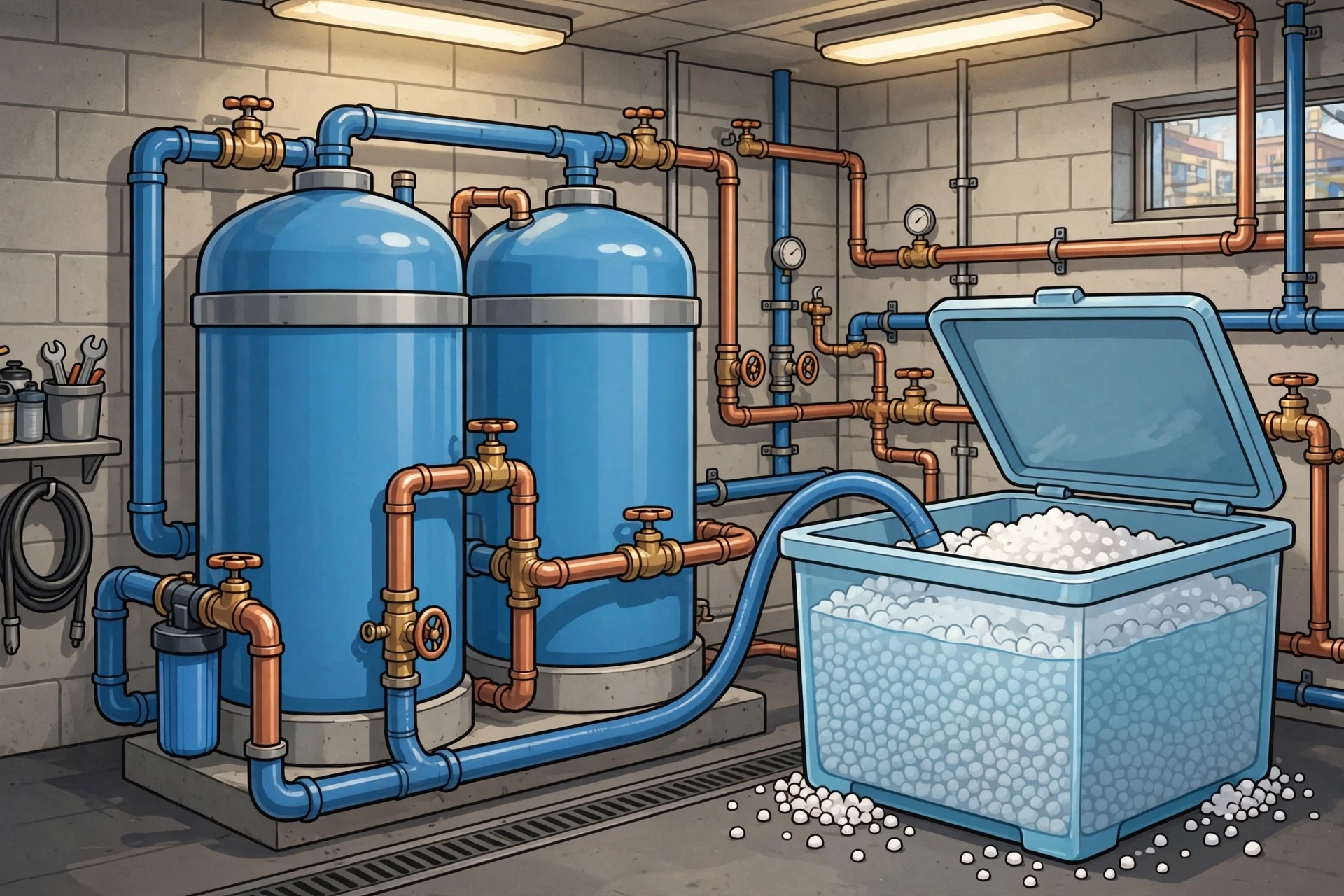
Start corrosion control upstream by cutting the mineral load before water ever reaches the boiler. Test your makeup water, then match pretreatment to its measured hardness. For Ohio facilities drawing 15-25 gpg source water, engineered industrial water softening helps limit hardness scale, but it removes no dissolved oxygen.
Highlights
- Base equipment selection on a current boiler makeup water pretreatment analysis and operating conditions
- Treat softening as one part of boiler corrosion control, not a complete solution
- Review pretreatment performance whenever source-water quality changes
Specs
- Best for: Facilities with hard or variable makeup water
- Risk addressed: Hardness deposits and under-deposit corrosion
- Verification: Makeup-water analysis and performance monitoring
Pros
- Addresses water quality before it reaches the boiler
- Limits hardness-related scale when designed and maintained properly
Cons
- Does not remove dissolved oxygen or replace internal chemical treatment
- The right setup depends on your source water and boiler system
It ranks first because pretreatment is the first barrier in the water path, yet oxygen control and internal treatment remain essential.
Last updated: October 4, 2026
2. Remove dissolved gases mechanically
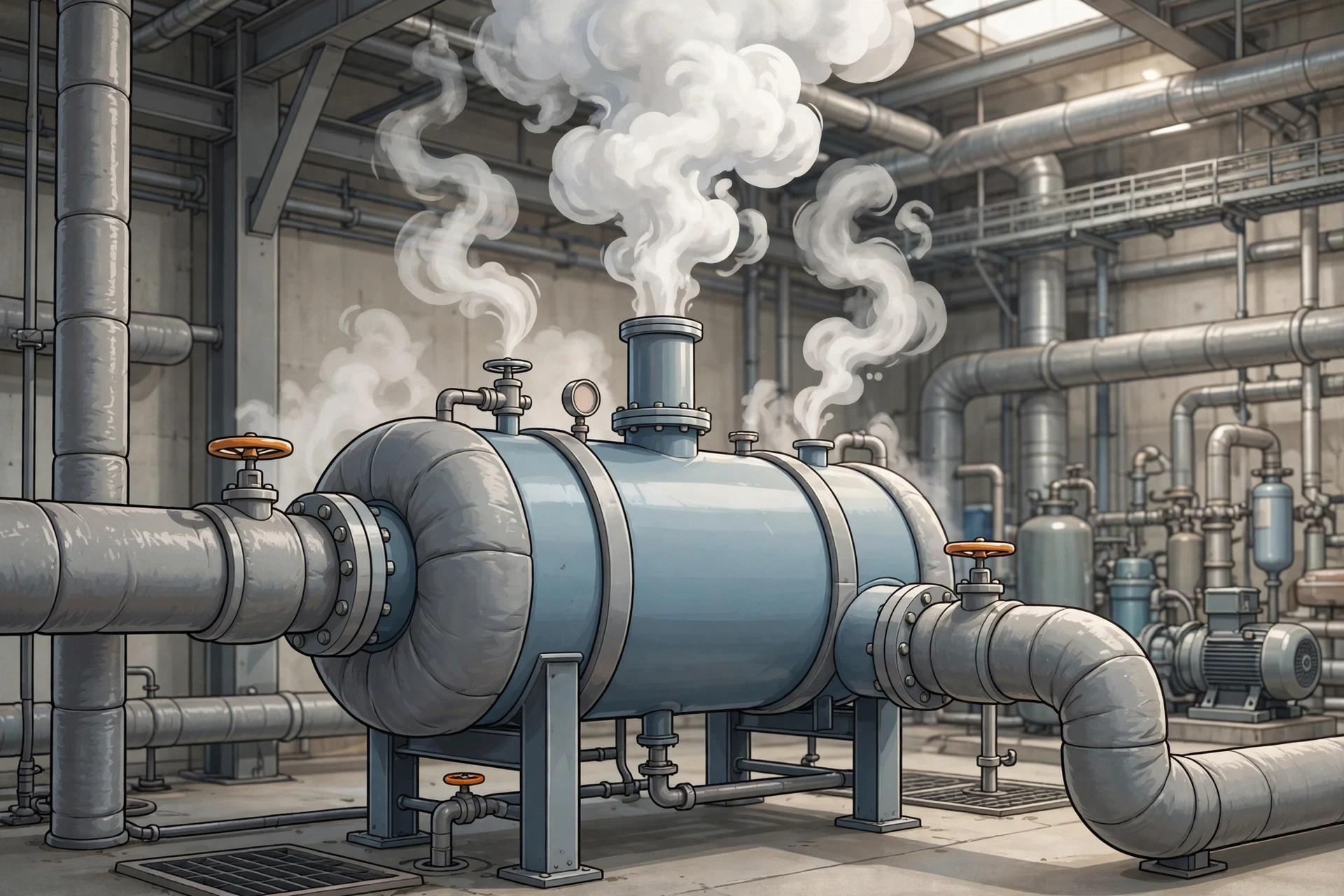
Dissolved oxygen causes localized pitting in boiler tubes, and carbon dioxide turns acidic in condensate lines. Properly operated mechanical deaeration strips both gases out of feedwater before it reaches vulnerable equipment. For steam boilers with oxygen-sensitive systems, this is the mechanical foundation everything else builds on.
Highlights
- Size the deaerator or feedwater-heating setup against actual load and makeup water conditions, not nameplate ratings.
- Check operation and venting rather than assuming installed equipment performs correctly. DOE guidance notes poor venting and pressure swings can re-oxygenate feedwater.
- Verify dissolved oxygen with a test method suited to your system; many high-pressure boilers need 5 ppb or lower per Energy Tips: STEAM.
Specs
- Best for: Steam boilers with oxygen-sensitive feedwater equipment
- Main corrosion risk addressed: Oxygen pitting and dissolved-gas-related corrosion
- Verification focus: Deaerator operating conditions and dissolved oxygen
Pros
- Reduces dissolved gases before they enter the boiler cycle
- Works as a mechanical foundation for a coordinated treatment program
Cons
- Performance depends on correct design and operation
- Does not replace chemical scavengers or condensate corrosion control
It ranks ahead of oxygen scavenger chemistry because sound mechanical operation should come first, with chemicals complementing it.
Last updated: October 4, 2026
3. Apply chemistry matched to the boiler
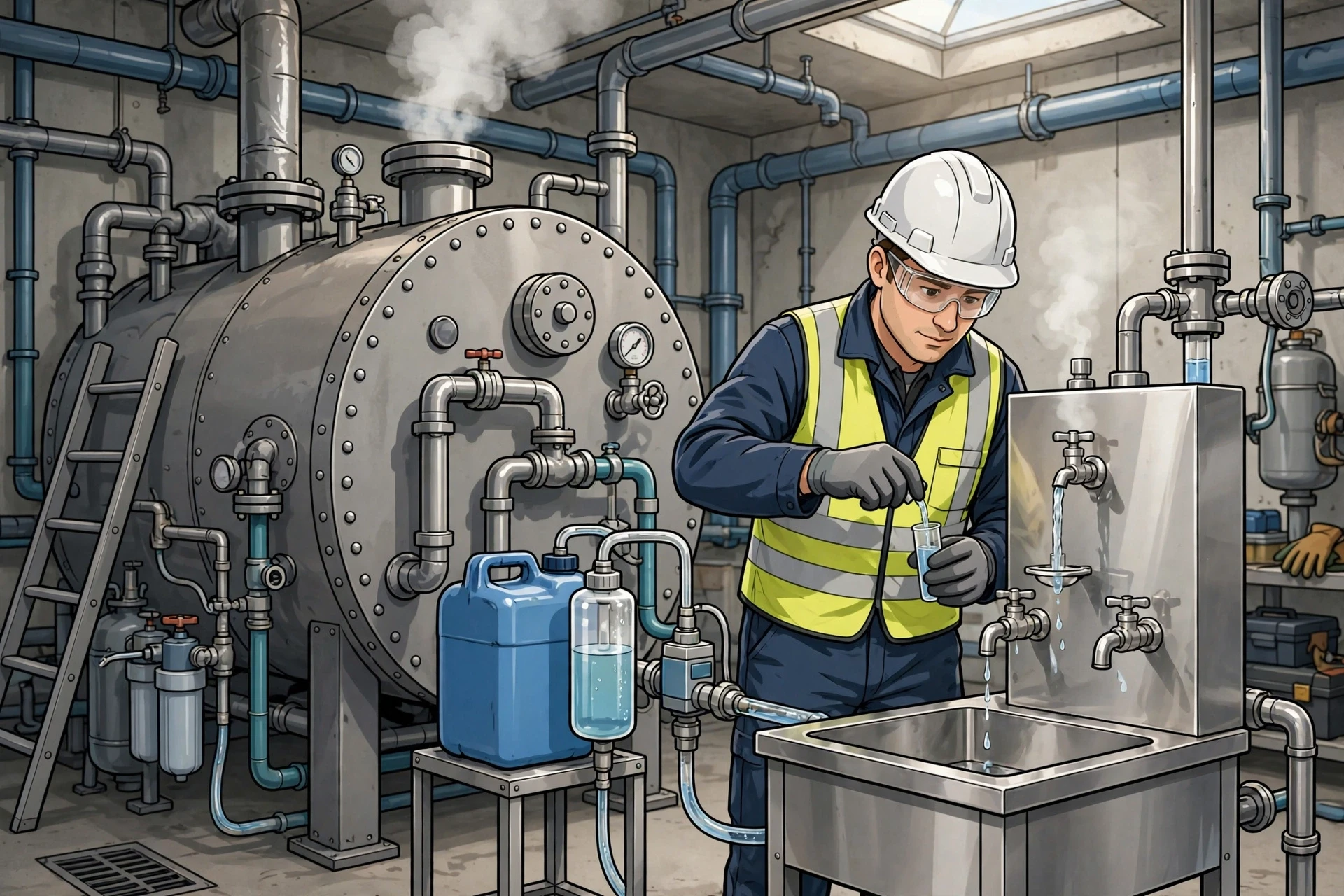
Chemical treatment controls residual oxygen and holds pH and alkalinity within limits set by the boiler's pressure, metallurgy, and feedwater quality. Adding an oxygen scavenger to boiler feedwater complements mechanical deaeration, which usually leaves trace oxygen behind. Don't copy a dosage or pH target from another facility; what works there may not work for you. Set control limits and testing frequency with a qualified water treatment specialist.
Highlights
- Match chemical selection to system design and operating conditions
- Use chemistry alongside mechanical deaeration where appropriate
- Document test results, feed settings, and corrective actions
Specs
- Best for: Systems needing coordinated residual oxygen and chemistry control
- Main corrosion risk addressed: Residual oxygen and unsuitable water chemistry
- Verification focus: Program-specific testing and feed records
Pros
- Complements mechanical oxygen removal and protects against chemistry-related corrosion
- Adjusts to the boiler's operating context
Cons
- Wrong chemistry or dosing creates new operating problems
- Requires reliable testing and specialist interpretation
It ranks third because even effective deaeration leaves residual oxygen, and chemistry controls that remaining risk, but only when the program is verified through measurement.
Last updated: October 4, 2026
4. Protect condensate returns
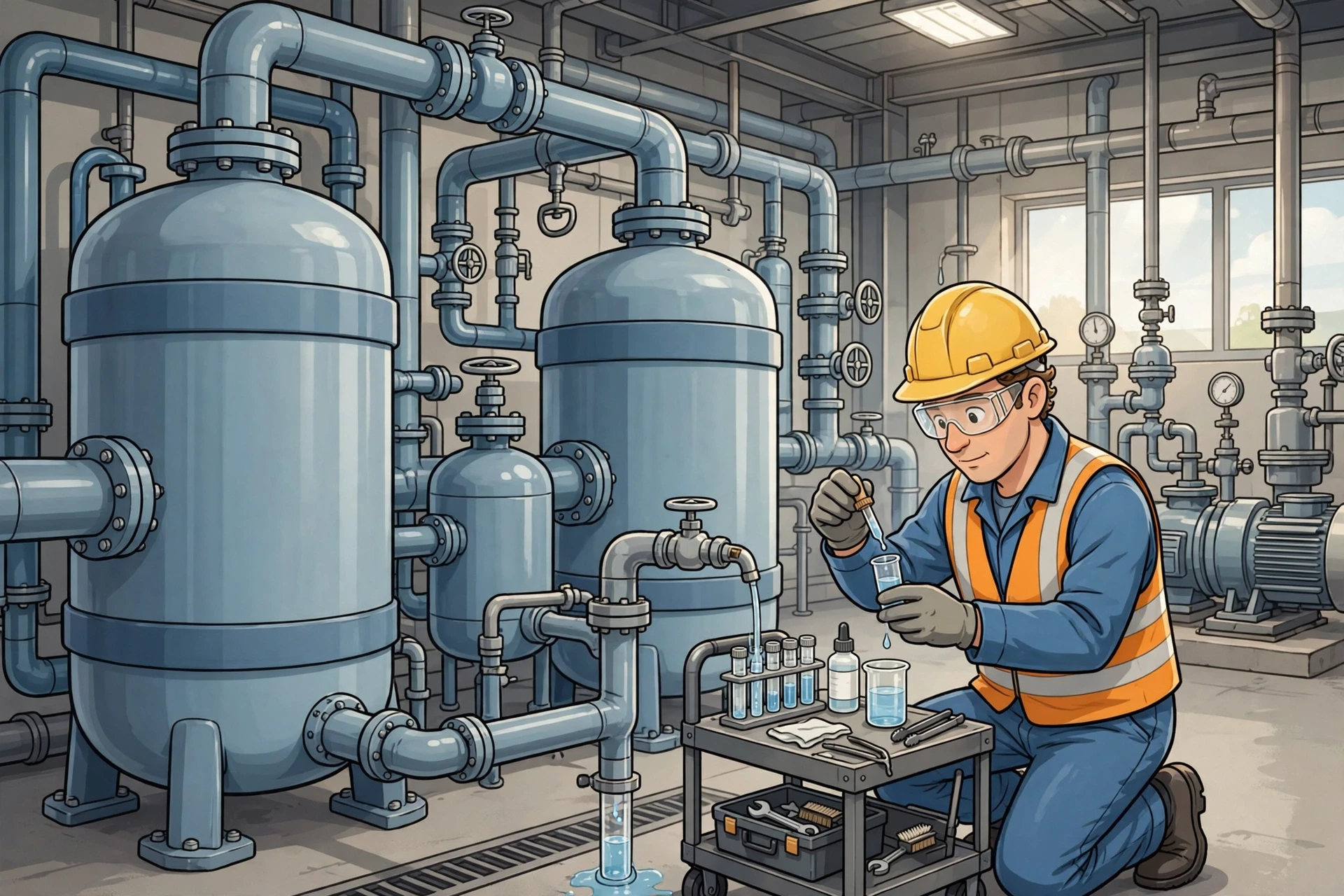
Your return circuit is part of the boiler water cycle, and it can corrode even when boiler-water tests look perfect. Carbon dioxide forms carbonic acid in condensate, and oxygen or process leaks add more damage. So include return piping, receivers, and tanks in corrosion reviews, and treat a suspect return stream before it re-enters the boiler. Neutralizing amine condensate corrosion control works, but only after you confirm system materials and process fit.
Highlights
- Watch return-water pH and investigate any unexplained change as a possible contamination source
- Match neutralizing or filming chemistry to copper, steel, and process steam uses
Pros
- Protects equipment beyond the boiler pressure vessel
- Often reveals hidden corrosion or leak points across the steam cycle
Cons
- Chemistry choice depends on return-system materials
- Contaminated returns need investigation, not just more chemical
It ranks fourth because corrosion can continue throughout the steam loop while all attention stays on the boiler.
Last updated: October 4, 2026
Additional Boiler Protection Strategies
Once your feedwater and chemistry controls are solid, these practices guard against slow drift and damage during idle periods.
Control dissolved solids and deposits - Verify blowdown practices to limit solids buildup and deposit-driven corrosion.
Monitor chemistry and corrosion indicators - Track key readings so emerging issues trigger quick investigation and adjustment.
Use a planned shutdown and layup procedure - Follow a wet or dry layup plan matched to your system to cut outage corrosion.
How to choose the right boiler corrosion controls
- Start with the boiler itself. Know its type, operating pressure, metallurgy, and a current water analysis before buying anything.
- Map the full water-steam path. Cover makeup, feedwater equipment, the boiler, steam users, and condensate returns.
- Match each risk to a control. Keep hardness and deposit control separate from oxygen removal and pH management.
- Ask how results are tested, documented, and fixed. Any provider can ship chemicals; the response to out-of-range readings is what protects you.
- Weigh your constraints. Discharge limits, operator skill, and the cost of a treatment interruption all matter.
Ohio's hard water (15-25 gpg) makes source-water hardness the starting point. That is why we recommend Hoffman Soft Water: engineered pretreatment designed around your actual water chemistry, backed by monitoring and 24/7 emergency response.
Ohio's hard water is quietly scaling your boiler right now. Get a free water assessment from Hoffman Soft Water and protect your equipment before costly downtime starts.
Frequently Asked Questions
Q1: What boiler protection systems do Ohio manufacturers recommend?
Most pair water softeners or RO with deaerators, chemical oxygen scavengers, and condensate treatment, sized for local hardness of 15 to 25 gpg.
Q2: How often should boiler water be tested?
Test daily on-site for hardness and conductivity. Send monthly lab samples for full chemistry review.
Q3: How much energy does scale actually waste?
Even 1/8 inch of scale can raise fuel use 10% or more.
Q4: When should we call a water treatment engineer?
At startup, after boiler issues, or when hardness exceeds your softener's capacity.